Ethnic Costume Museum
Introduction
The Ethnic Costume Museum, located at the Beijing Institute of Fashion Technology, is a renowned cultural landmark dedicated to preserving and showcasing China's rich sartorial history. Established in 2000, the museum houses a remarkable collection of over 10,000 items, including ethnic costumes, jewelry, fabrics, batik, and embroidery from China’s diverse ethnic groups. Additionally, the museum features nearly a thousand photographs documenting traditional attire from the 1920s and 1930s, offering an unparalleled window into the clothing culture of ethnic communities such as the Yi, Tibetan, and Qiang peoples. The museum serves both as a repository of historical artifacts and a space for educational enrichment and innovation, drawing scholars, students, and visitors interested in the intricate artistry and cultural significance of ethnic clothing in China.
History
The journey to establish the Ethnic Costume Museum began in 1988 when faculty members of the Beijing Institute of Fashion Technology initiated efforts to preserve and study the ethnic costumes of China’s 56 ethnic groups. Recognizing the urgency of conservation, the faculty embarked on extensive field expeditions across the nation to collect rare and traditional attire. This meticulous work involved navigating challenges such as the remote locations of ethnic communities and the complexity of garment preservation. These early efforts culminated in the official opening of the museum in 2000.
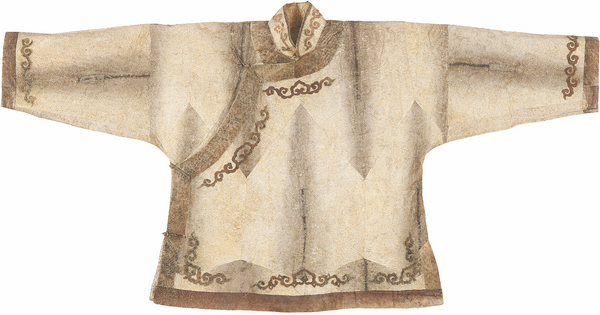
Noteworthy milestones in the museum’s history include the filming of a documentary featuring a Hezhe fisher-farmer, You Cuiyu, who crafted fish-skin garments—an indigenous technique unique to her community in Heilongjiang province. This documentary not only preserved the endangered craftsmanship but also garnered national acclaim. The museum’s dedication extends beyond collection; it undertakes repair, sterilization, and preservation to ensure the conservation of garments, some of which bear marks of time and require intricate restoration.
In addition to its conservation work, the museum has diversified its acquisition strategies to address challenges like rising costs and dwindling availability of authentic ethnic garments. It accepts donations, collaborates with other institutions, and borrows artifacts to enrich its collection. Each donation tells a compelling story, such as the contribution from Beijing resident Dong Min, who donated decades-old outfits and photographs from his family’s collection, imbued with memories of an entire generation.
Exhibitions
The Ethnic Costume Museum organizes exhibitions that showcase its magnificent collection, illustrating the beauty, diversity, and functionality of Chinese ethnic attire. Among its exhibitions is the “Splendid Colors: Chinese Costume Culture Exhibition,” which integrates traditional clothing with modern fashion sensibilities. Highlights include student-designed garments blending ethnic elements with contemporary aesthetics. The museum also displays iconic artifacts like the Tibetan robe spacious enough to carry a lamb and Qiang "cloud pattern" shoes embroidered with hidden codes of love, underscoring the interplay of practicality and artistry.
Another standout piece is the Yi ethnic priestess’s guantouyi—a voluminous blouse passed down through generations. Its patchwork design symbolizes continuity and heritage, making it a living historical record. The museum also proudly presents examples of unique craftsmanship, such as the breathtaking silver phoenix crowns and ornate embroidery of the Miao ethnic group, known for integrating ancestral wisdom and nature’s beauty into their attire.
Special exhibitions also delve into the influence of traditional dress on modern fashion, such as its incorporation into haute couture collections. The museum partners with design institutions to display innovative creations that reflect the timeless allure of ethnic motifs while demonstrating adaptability to contemporary tastes.
Cultural Significance
The Ethnic Costume Museum plays a crucial role in safeguarding and disseminating the cultural and artistic heritage of China's ethnic groups. Clothing, in this context, is not mere attire; it is an expression of history, identity, and philosophy. The garments are imbued with symbolic meanings drawn from nature, mythology, and folklore. For instance, the Miao people’s embroidery—dubbed their “Book of Heaven”—encodes their history, migration journey, and reverence for natural elements such as rivers and flowers.
Each ethnic group’s attire reflects their adaptability to environmental conditions, as seen in the Oroqen people’s animal-hide garments designed for survival in frigid climates or the Dong people’s indigo liangbu cloth used for farming in mountainous settings. The museum highlights these ingenious uses of local resources, celebrating the wisdom and artistry passed down through generations.
Moreover, ethnic costumes serve as a medium for storytelling, fostering a deep emotional connection between the makers and wearers. Mothers crafting garments for their daughters as wedding gifts, or grandmothers creating baby carriers for their newborn grandchildren, exemplify the familial love infused into these textiles. These handmade treasures symbolize continuity and tradition, resonating intensely with notions of identity and belonging.
While the adoption of modern clothing has led to challenges in preserving traditional attire, the museum endeavors to bridge the divide between heritage and modernity. Through exhibitions, research, and educational programs, it fosters appreciation for ethnic garments as both cultural artifacts and sources of innovation.








